

5 things that remind us Victoria’s biodiversity is remarkable
From alpine peaks and ancient forests to marine parks and native grasslands, Victoria is home to an extraordinary variety of plants, animals and ecosystems.
This Biodiversity Month, discover five of the many reasons our state's biodiversity is worth celebrating and protecting.
1. Victoria is home to a huge variety of life
Victoria may be Australia's smallest mainland state, but it supports a remarkable range of species and habitats.
The state is home to:
- More than 5,000 species of plants and their relatives
- More than 100 mammal species and 400 bird species
- Around 46 freshwater fish species and 600 marine fish species
- More than 100 reptile species and 30 amphibian species
Experience it: Challenge yourself to visit a different type of park this spring. A coastal walk, alpine hike or grassland wander can each reveal a completely different side of Victoria's biodiversity. Explore parks to visit this spring.
2. Some of our most important ecosystems are hiding in plain sight
When people think of biodiversity hotspots, they might imagine rainforests or coral reefs. But did you know some of Victoria's most important biodiversity survives in native grasslands?
Less than 1 per cent of Victoria's original native grasslands remain. Despite this, these threatened ecosystems continue to support a huge range of diverse plants and animals.
Recent conservation work in the Western Grassland Reserves has shown encouraging signs of recovery, including rare wildflowers, the return of Fat-tailed Dunnarts after 15 years, and the first verified records of the nationally threatened Plains-wanderer on Parks Victoria-managed land.
Did you know? The Plains-wanderer is so unique that it has no living relatives anywhere else in the world.
Experience it: Visit a grassland reserve during spring when native flowers are emerging. You may be closer to one of Victoria's most significant biodiversity hotspots than you realise.
3. An entire world of biodiversity exists beneath the waves
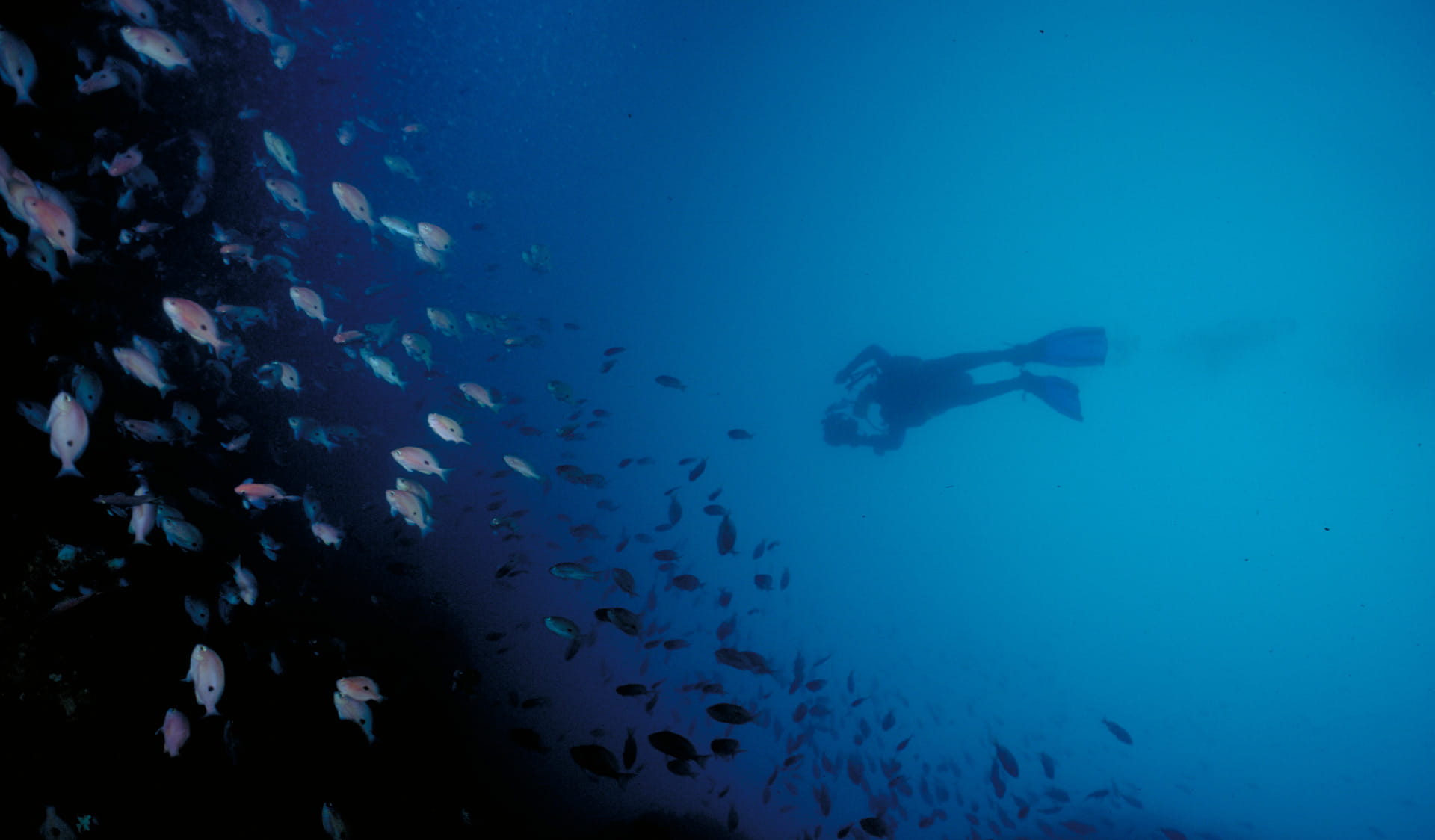
Victoria's coastal waters support more than 12,000 marine species, many of which are found nowhere else in Australia.
Beneath the surface, kelp forests, sponge gardens, rocky reefs and seagrass meadows provide habitat for a remarkable diversity of marine life. Marine Protected Areas play an important role in helping these ecosystems thrive.
Research led by Parks Victoria and Deakin University found that Southern Rock Lobsters were nearly twice as abundant in marine protected areas compared to nearby fished waters. The study also found lobsters within protected areas were significantly larger, showing the benefits long-term protection can have on marine biodiversity.
Protecting these underwater environments is an ongoing effort. Parks Victoria works with partners, researchers and volunteers to manage threats and support healthy marine ecosystems for future generations.
Read more: Learn how marine protected areas are helping Southern Rock Lobsters thrive.
Experience it: Explore a rockpool, visit a marine national park, go on a snorkelling adventure or simply wander along the coastline to experience a taste of the diversity of life beneath the surface.
4. Nature can recover when given the chance
One of the most inspiring things about biodiversity is nature's ability to recover when threats are reduced and habitats are protected.
Across Victoria, conservation programs are helping native species bounce back.
In Gariwerd (Grampians National Park), the Grampians Ark conservation program is creating safe habitat for threatened native animals by controlling introduced predators and supporting species recovery.
The project is helping protect endangered mammals, including species that have disappeared from many parts of their former range, demonstrating how targeted conservation action can make a real difference.
Experience it: Keep an eye out for signs of recovery on your next park visit. New growth after fire, returning birdlife and flowering native plants are all reminders of nature's resilience.

5. Some species only survive because people refuse to give up on them
Behind many conservation success stories are years of dedication, research and collaboration.
The Pale Golden Moth Orchid is one of Victoria's rarest native orchids. It grows in only a few locations, and its numbers have been in decline.
To help secure its future, conservationists recently translocated 402 orchids in Alpine National Park following more than a decade of research, planning and partnership.
The project required scientists to understand the specialised fungus the orchid depends on, identify suitable pollinators and carefully select a site capable of supporting a self-sustaining population.
It's a reminder that Victoria's biodiversity is shaped not only by the species that call it home, but by the people working every day to protect them.
Experience it: Consider volunteering in parks, joining a citizen science project or learning more about our state's amazing diversity.

Feeling inspired?
These are just five of the many stories that make Victoria's biodiversity remarkable.
To learn more about the people and projects helping to protect these special places, sign up to receive our Conservation and Science newsletter direct to your inbox.