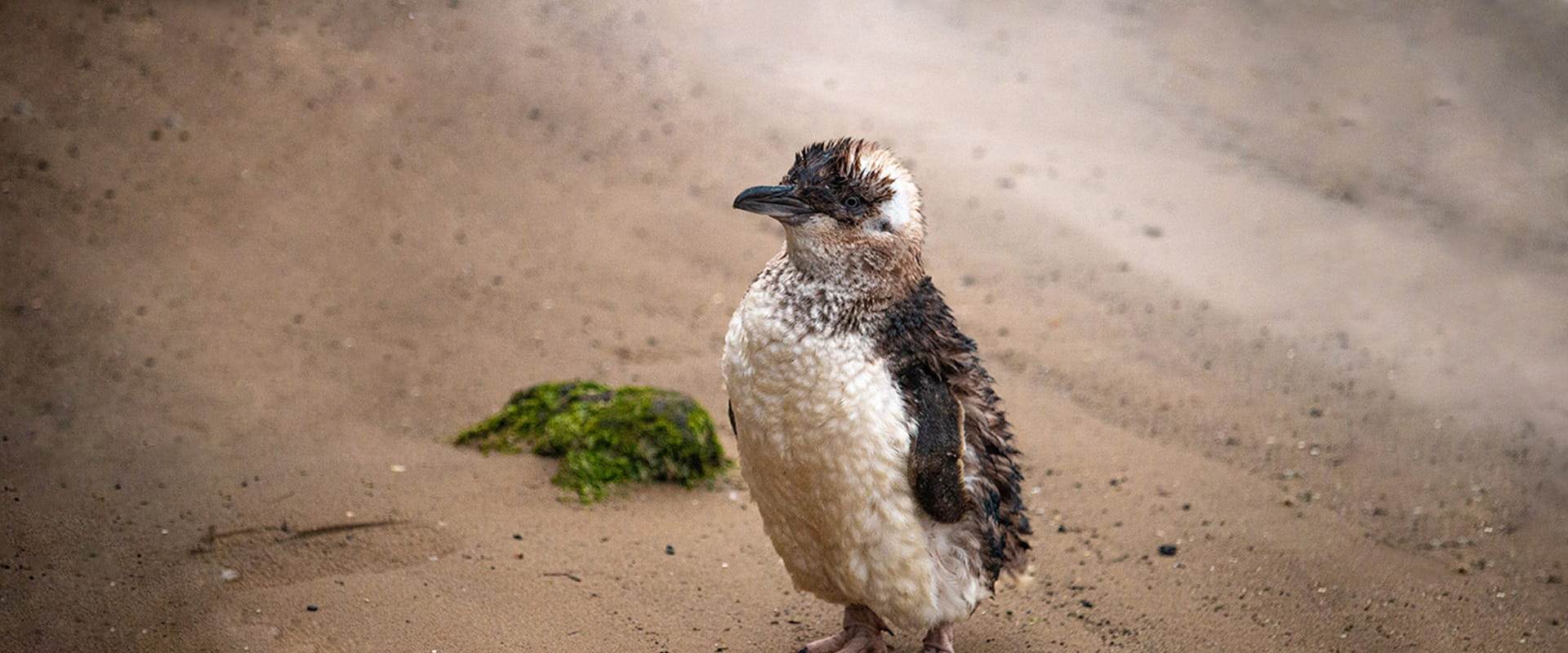
St Kilda Pier and Breakwater is home to a colony of approximately 1,400 Little Penguins.
During the day the penguins are out in the bay feeding, but they return to the rocks along the pier at sunset to nest.
Our top priority is ensuring the protection of the penguin colony and providing a safe and sustainable way for you to enjoy and learn about them.
You can see Melbourne’s iconic Little Penguins from a viewing platform at the end of St Kilda Pier during nightly free, ticketed sessions.
Little Penguin viewing platform
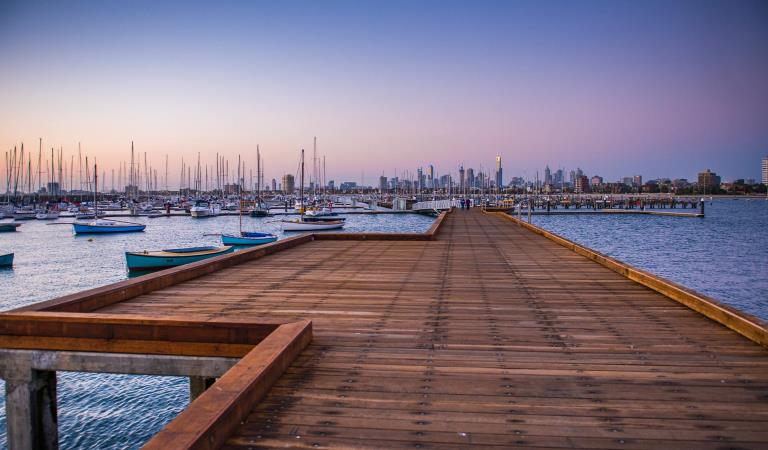
In October 2025, Parks Victoria opened a new penguin viewing boardwalk at St Kilda Pier. The 150-metre viewing platform helps protect the Little Penguin colony at the St Kilda Breakwater while offering a safer and more enjoyable penguin viewing experience for visitors.
These upgrades were made after growing visitor numbers began to disturb penguin nesting areas. The new boardwalk provides a better way for people to see and learn about the penguins, while reducing impacts on the colony.
Designed with wildlife protection in mind, the boardwalk keeps visitors at a safe distance from the penguins, uses wildlife‑friendly lighting, and closes each night after viewing sessions.
Protecting the Little Penguin colony is our top priority. At the same time, the boardwalk allows visitors to enjoy and learn about these special animals in a way that supports their long-term conservation.
Little Penguin viewing experience at St Kilda Pier
You can see Melbourne’s iconic Little Penguins from the viewing platform at the end of St Kilda Pier during free, ticketed evening sessions.
Phillip Island Nature Parks runs the penguin viewing experience at St Kilda Pier. The sessions are free, but bookings are required.
From the elevated platform, visitors can enjoy great views of the penguins in their natural habitat and learn more about them from knowledgeable Phillip Island Nature Parks guides.
There are two Penguin Viewing Experience sessions each night. To help protect the penguins, each session is limited to 150 people.
Bookings are essential. Reserve your spot on the Phillip Island Nature Parks’ website.
Little Penguins are protected under the Wildlife Act 1975, and it is prohibited to interfere with them or their habitat.
If there is a wildlife emergency, please contact the Zoos Victoria Marine Response Unit on 1300 245 678.
Little Penguin vaccination program
Some penguins will receive vaccinations between August and September 2026 to protect them against H5 avian influenza.
You can read more about how to plan your visit on the Philip Island Nature Parks website.
Things to do
St Kilda Pier and Breakwater
Boating and St Kilda Harbour
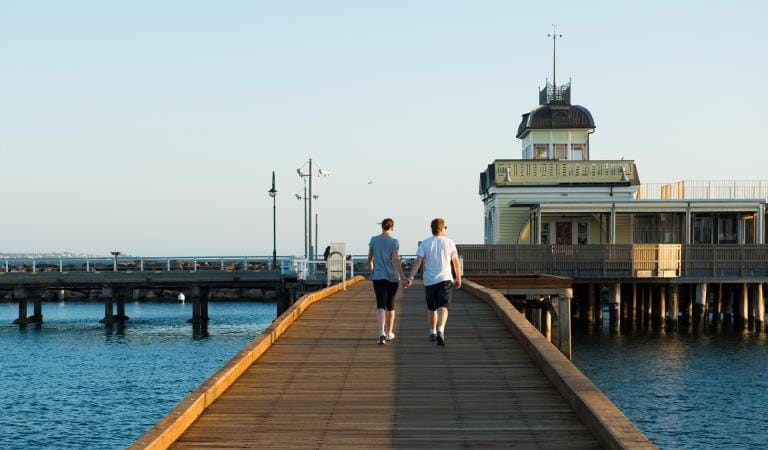
The Kiosk at St Kilda Pier
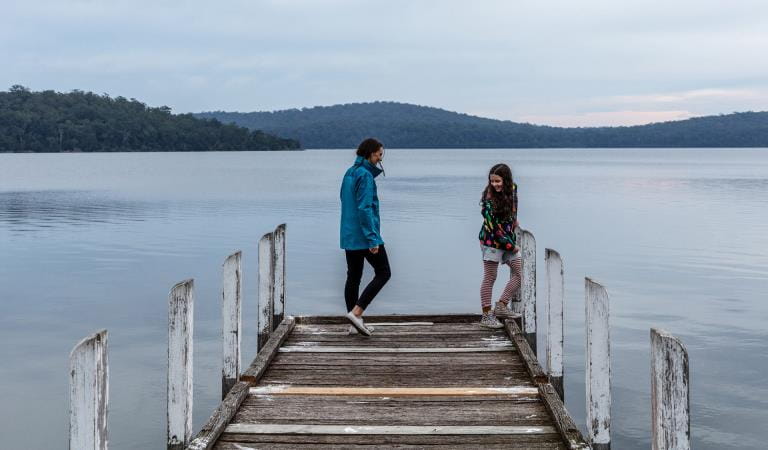
Piers and jetties
How to get there
Little Penguins
When you're there
St Kilda is a lot more than just a pier! Nearby Catani Gardens or the Botanical Gardens are unique and special places, and St Kilda's beaches are usually quick to fill up over the warmer months. Albert Park is also nearby, offering a beautiful lake, walks, golfing, and other recreational activities.
Nearby Fitzroy Street has a wealth of food and shopping choices to discover. Famous Luna Park is right around the corner, offering a day of fun for families and individuals with rides and a carnival-like atmosphere!
Rakali
During your visit, you may be fortunate enough to spot a Rakali! The Rakali is a native water rat, found at some piers, jetties and other structures along the coastline of Port Phillip and our waterways. They appear at all times of the day, but are very shy creatures and are usually tucked into the dark corners of structures and flora. The Rakali are known to eat various marine life, such as fish and crustaceans. Like all Australian wildlife, you should not attempt to touch or handle the Rakali and keep a reasonable distance away.
Need to know
Little Penguins
Accessibility
Visiting a park can be more of a challenge for people with disabilities, however in Victoria there are a wide range of facilities to help people of all abilities enjoy our wonderful parks around the state.
Assistance dogs are welcome in Parks Victoria parks and reserves. Entry requirements apply for parks and reserves that are usually dog prohibited, such as national parks.
Frequently asked questions about visiting the penguins
-
Can I still see penguins at St Kilda?Yes, you can still see Melbourne’s iconic Little Penguins at St Kilda Pier. The Little Penguin viewing area has reopened as part of the redeveloped St Kilda Pier. You can enjoy watching the colony from a new 150-metre elevated boardwalk during nightly free, ticketed sessions.
-
How many penguins live at St KildaSt Kilda has a colony of around 1,400 Little Penguins. Little Penguins are the smallest species of penguin in the world.
-
What time do the penguins usually come out at St Kilda Pier?Penguins typically come ashore just after sunset, but their arrival time can vary with the season and weather.
-
When can I visit the penguins?
The one-hour viewing sessions run nightly from Wednesday 29 October 2025, with two free sessions each evening:
- Session one is at sunset. You can watch the little penguins begin their journey home from the water to their burrows nestled in the breakwater.
- Session two is after dark when the breakwater fills with the chatter of penguins settling in for the night. You can enjoy an up-close view of these fascinating animals interacting in their natural habitat.
Session times for each night will be regularly updated on Phillip Island Nature Parks’ website, and will depend on when the last light of the day is.
You can reserve your spot at a viewing session on Phillip Island Nature Parks’ Bookings page.
-
Where is the viewing area?The new elevated platform is located at the end of St Kilda Pier, next to the breakwater.
Protecting the penguins
-
Why were the upgrades needed?There has been a large increase in visitors to the penguins in recent years. Previous visitor access had unintentionally disturbed nesting sites. The new design provides a safer, more sustainable way to view and learn about the colony.
-
How are the penguins protected?The boardwalk design keeps visitors separated from the colony, wildlife-sensitive lighting is used, and the area closes each night after viewing sessions. Visitor numbers are limited to 150 people per session to reduce stress on the penguins.
-
Can I take photos?Yes, but flash photography, bright lights, and phone torches are not permitted as they can startle the penguins. Please follow the directions of staff on the night.
-
Can I touch or feed the penguins?No. The penguins are wild animals and must not be touched, fed, or approached.
-
Who can I contact if I see a sick or injured penguin?Please call the Zoos Victoria Marine Response Unit on 1300 245 678.
Similar experiences
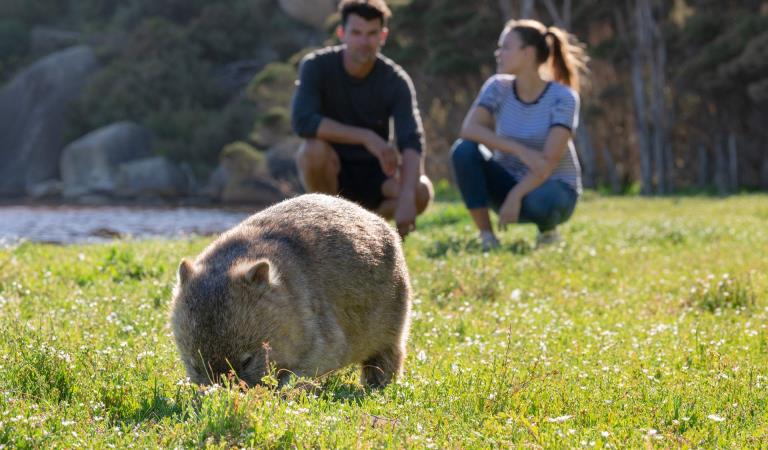
Wildlife viewing
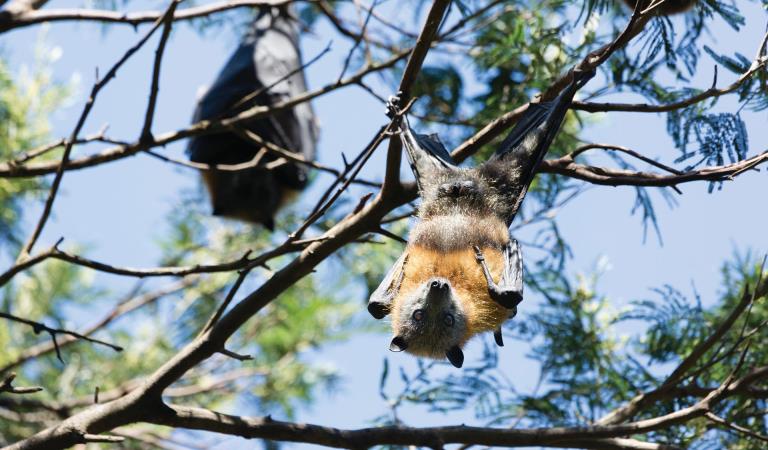
Grey Headed Flying Fox