


Explore
Wombat-Lerderderg National Park
Wombat-Lerderderg National Park protects more than 44,000 hectares of bushland, rivers and gullies between Daylesford and Bacchus Marsh. Bringing together the rugged former Lerderderg State Park and large areas of the former Wombat State Forest, it offers a diverse landscape of bushland, waterways, heritage places and recreation areas. This varied country stretches across a substantial part of central Victoria, yet remains within easy reach of Melbourne.
The Lerderderg River Gorge is one of the park’s defining natural features. Carved through steep, forested terrain, it feels remarkably remote. Beyond the gorge, visitors can discover expansive eucalypt forests, fern-filled gullies, riverside flats, mineral springs and historic forest settlements. Rivers and creeks weave through the landscape, supporting connected wildlife habitat and significant forested catchments across the region.
For thousands of years, these forests, rivers and ridgelines have formed part of the cultural landscapes of Traditional Owners. The park includes places of ongoing cultural significance and remains an important cultural landscape today, reflecting enduring connections between people, Country and waterways.
There are many ways to experience the park. Walk sections of the Great Dividing Trail or follow the Lerderderg River Heritage Walk. Relax at picnic areas beside the Lerderderg and Werribee rivers, or camp beneath towering eucalypts. At Mackenzies Flat Picnic Area, Shaws Lake Picnic Area, Anderson Mill, Pioneer Sawmill and Lyonville Mineral Springs, visitors can explore stories of gold mining, forestry, migration and settlement. Camping is available at Amblers Lane Campground, Balt Camp and Lerderderg Campground. Across the park, visitors can also enjoy mountain biking, horse riding, picnicking and four-wheel driving, with a wide range of outdoor experiences for different interests.
New parks for Victoria's central west and Mirboo North
This park is part of an expanded network of parks across Victoria's central west and Mirboo North following the transfer of 78,838 hectares of public land on 5 October 2026.
The official establishment of these parks and reserves strengthens protection for forests, waterways, wildlife habitat and cultural heritage across the region, while continuing to support opportunities for walking, camping, exploring, connecting with nature, and much more.

Things To Do
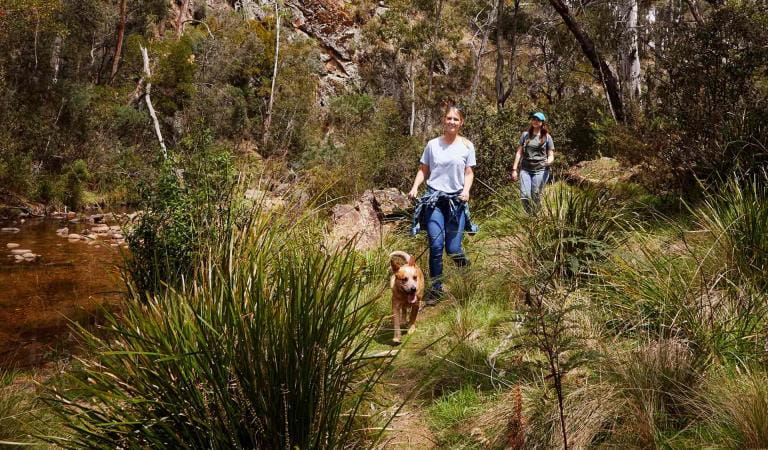
Amblers Crossing

Camping in Wombat-Lerderderg National Park
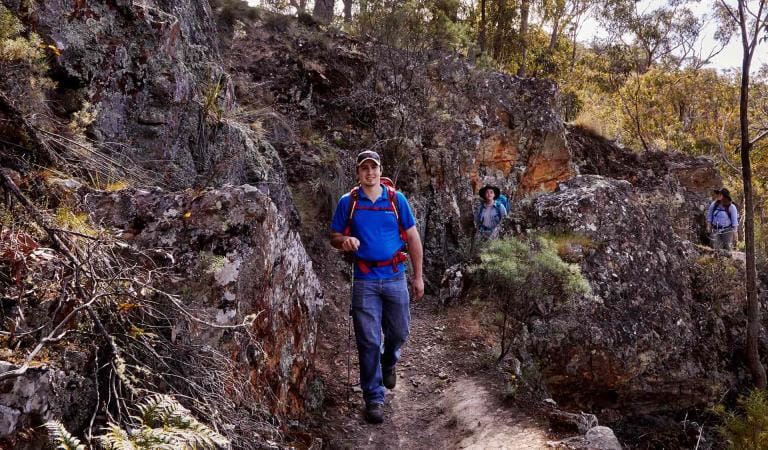
East Walk and Cowan Track Loop
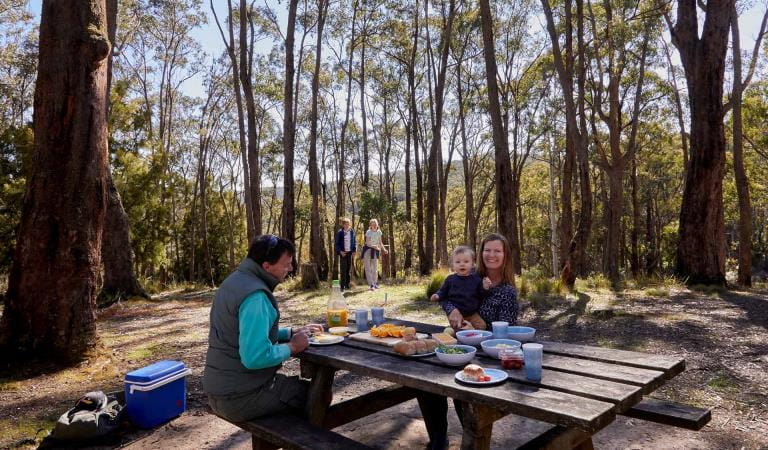
Mackenzies Flat
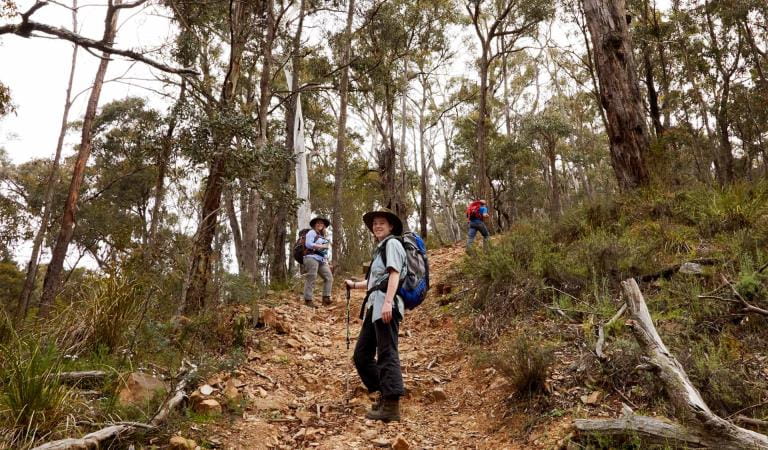
OBriens Crossing
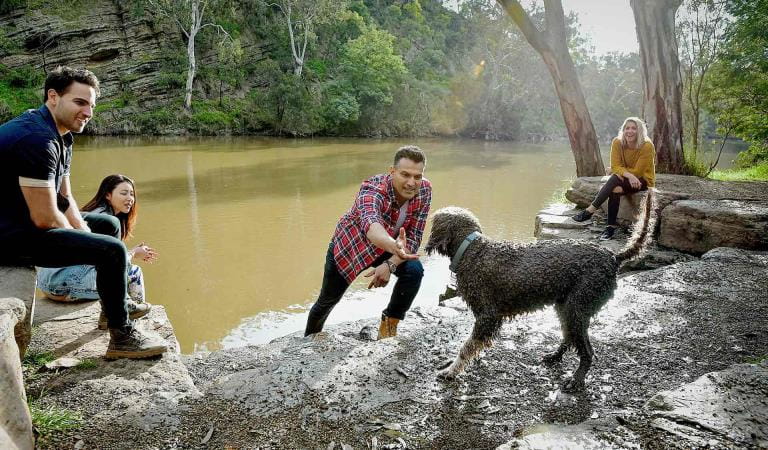
Dog friendly parks
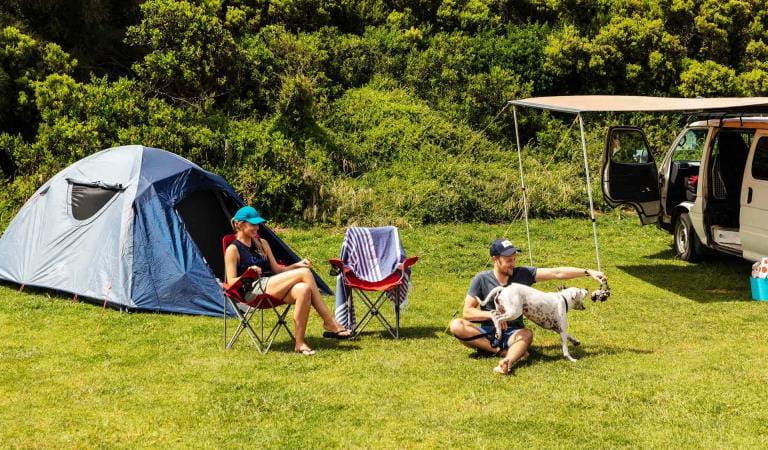
Dog friendly camping
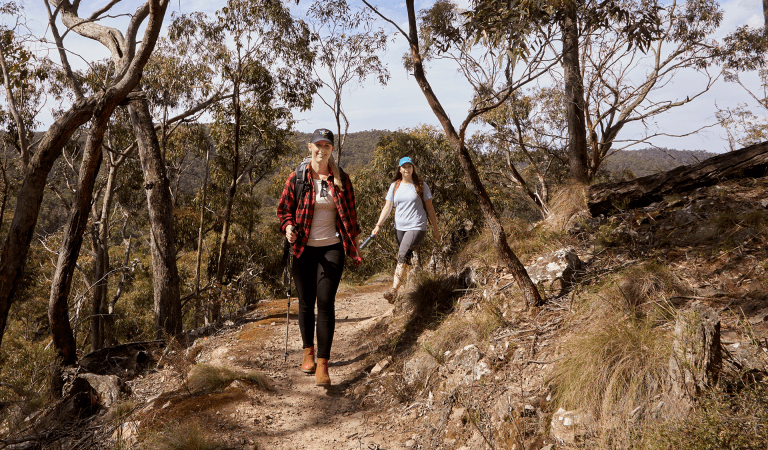
Walk through forests, rivers and gorges
Camp and explore the outdoors
Discover natural and cultural heritage
Wombat-Lerderderg National Park
The park supports a variety of native wildlife across its forests, rivers, gullies and open woodland habitats. Visitors may encounter mammals, birds and reptiles while exploring the park's extensive network of walking tracks, campgrounds and picnic areas. The large area of connected forest provides important habitat for wildlife across central Victoria. Keep an eye out for:
Tours and adventure experiences in parks
One of the best ways you can get into nature is with a Licensed Tour Operator.
There are more than 400 Licensed Tour Operators across Victoria who are ready and waiting to help you experience and connect with Victoria’s spectacular parks and waterways.
Discover more than 60 different types of nature-based experiences including hiking, mountain biking, boating, four-wheel driving, indigenous culture tours, birdwatching, surfing, diving and so much more.
Licensed Tour Operators know all the best places to go and will plan and prepare your visit to ensure you are safe and can enjoy your nature-based adventure to the fullest.
How to get there
Wombat-Lerderderg National Park
Need to know
Wombat-Lerderderg National Park
Accessibility
Visiting a park can be more of a challenge for people with disabilities, however in Victoria there are a wide range of facilities to help people of all abilities enjoy our wonderful parks around the state.
Assistance dogs are welcome in Parks Victoria parks and reserves. Entry requirements apply for parks and reserves that are usually dog prohibited, such as national parks.
Safety in nature
Thinking of visiting Wombat-Lerderderg National Park? Here are a few things to consider before leaving home:
- Know your limits. Some walks, particularly within the Lerderderg Gorge, have steep and rugged terrain.
- Leave yourself plenty of time to return before dark.
- Bring enough water. Drinking water is not available at many visitor sites.
- Wear appropriate footwear.
- Check for fire and severe weather warnings before your visit.
- Sections of riverside tracks and river crossings may become flooded or impassable after heavy rain.
- Mobile phone reception may be limited in some areas of the park.
- Conditions on unsealed roads can change, particularly during winter and after storms.