

New parks for Victoria’s central west and Mirboo North
Summary
Parks Victoria now manages an expanded network of parks and reserves across Victoria’s central west and Mirboo North following the transfer of approximately 78,838 hectares of public land on 5 October 2026. The new and expanded parks help protect important natural and cultural values while continuing to support outdoor recreation opportunities across the state.
Subscribe to our newsletterAbout the new parks
The new and expanded parks are being established following the Victorian Government's response to the 2021 Victorian Environmental Assessment Council (VEAC) Central West Investigation Final Report, followed by the introduction of the Parks and Public Land Amendment (Central West and Other Matters) Bill into the Victorian Parliament – creating over 65,000 hectares of national park in Victoria’s Central West.
The expanded network helps protect important forests, waterways, landscapes, wildlife habitat and cultural heritage while continuing to provide opportunities for people to walk, camp, explore and connect with nature.
These parks are located on the lands of the Dja Dja Wurrung, Eastern Maar, Wadawurrung, Wurundjeri, Gunaikurnai and Taungurung peoples, who have cared for these landscapes for thousands of years and will continue to play an important role in their management.
National parks
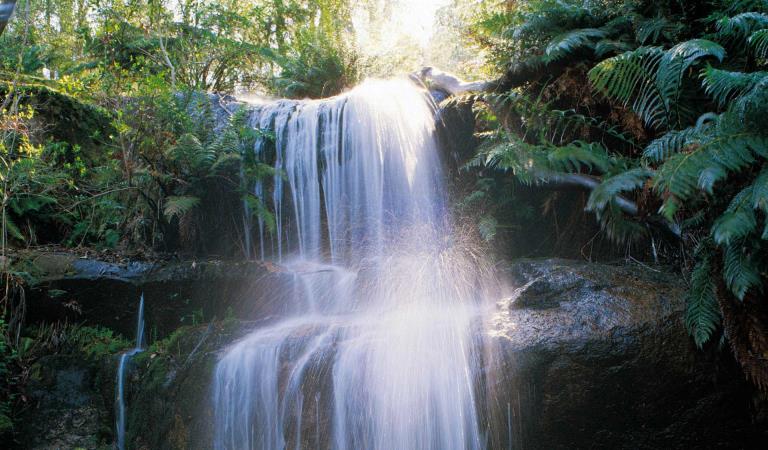
Mount Buangor National Park

Pyrenees National Park

Wombat-Lerderderg National Park
Conservation parks
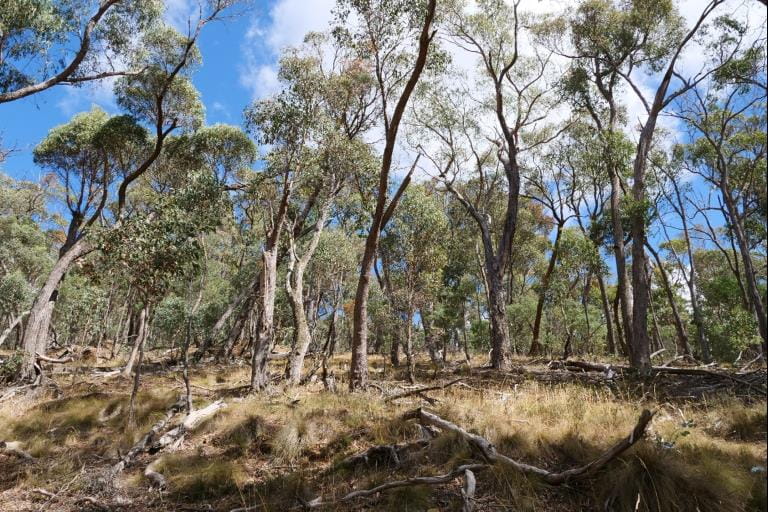
Cobaw Conservation Park
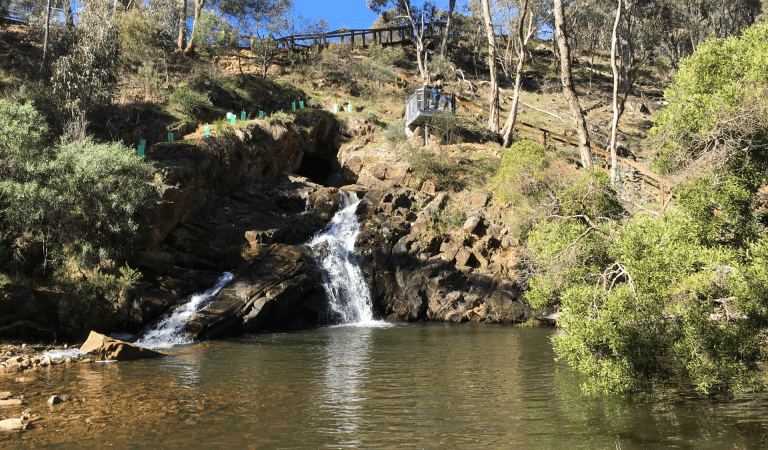
Hepburn Conservation Park

Mirboo North Conservation Park
Regional parks
Barkstead Regional Park
Barkstead Regional Park protects forest landscapes within the wider Wombat forest region while continuing to support recreation opportunities across former Wombat State Forest land.
Bendigo Regional Park
Expanded through the addition of Wellsford Forest, Bendigo Regional Park strengthens recreation opportunities and habitat protection close to Bendigo.
Blackwood Regional Park
Surrounding the historic township of Blackwood, the park combines forest walks, goldfields heritage and bushland recreation across former Wombat State Forest land.
Fingerpost Regional Park
Camping, mountain biking and forestry heritage define Fingerpost Regional Park, which was established from former Wombat State Forest land.
Hepburn Regional Park
Featuring mineral springs, waterfalls, volcanic landscapes and gold rush heritage, Hepburn Regional Park now includes additional land from the former Wombat State Forest and Dry Diggings State Forest.
Pyrenees Regional Park
Forming part of the wider Pyrenees forest landscape, Pyrenees Regional Park supports camping, prospecting, trail bike riding and other recreation opportunities on former Pyrenees State Forest land.
Spargo Creek Regional Park
Centred on the Werribee River corridor, Spargo Creek Regional Park offers riverside recreation, camping and bushwalking within a forested landscape formerly managed as part of Wombat State Forest.
Nature and bushland reserves
- Amphitheatre Creek Bushland Reserve
- Amphitheatre South Bushland Reserve
- Avoca River West Bushland Reserve
- Avoca-Greenhill Creek Road Bushland Reserve
- Ben Major Nature Reserve
- Ben Nevis Nature Reserve
- Bungal Bushland Reserve
- Glenmona Forest Bushland Reserve
- Glenmona North Bushland Reserve
- Green Hill Creek Bushland Reserve
- Jollys Road (Green Hill Creek) Bushland Reserve
- Lamplough Reservoir East Bushland Reserve
- Lamplough Reservoir Road Bushland Reserve
- Lerderderg River Nature Reserve
- Leys Road (Lexton) Bushland Reserve
- Lillicur West Bushland Reserve
- Moonambel South Nature Reserve
- Morvells Road (Amphitheatre) Bushland Reserve
- Number Two Creek Bushland Reserve
- Rosyth Nature Reserve
- Tanwood Nature Reserve
- Tanwood South Bushland Reserve
- Tylden Nature Reserve
- Warrenmang East Bushland Reserve
- Warrenmang West Bushland Reserve
- Waterloo Nature Reserve
Recreation opportunities
What activities can I enjoy?
Most popular outdoor activities will continue across the new parks and reserves, including four-wheel driving, trail-bike riding, mountain biking, camping, fishing, bushwalking, picnicking, horse riding and dog walking.
Recreation opportunities may vary between parks and locations, so visitors should check individual park pages for the latest information before visiting.
For a quick reference, our recreation activity matrix provides an overview of where different activities are permitted across the new and expanded parks.
|
|
National Parks Wombat-Lerderderg Mount Buangor Pyrenees |
Conservation Parks Cobaw Hepburn Mirboo North |
Regional Parks Bendigo Barkstead Blackwood Fingerpost Hepburn Spargo Pyrenees |
Nature Reserves |
Bushland Reserves |
|
Bushwalking, nature observation and picnicking |
Yes |
Yes |
Yes |
Yes |
Yes |
|
Fishing |
Yes |
Yes |
Yes |
Yes |
Yes |
|
Camping |
Yes* |
Yes* |
Yes* |
No |
No* |
|
*Permitted at designated campgrounds |
*Permitted at designated campgrounds |
*Permitted at designated campgrounds |
|
*Permitted in Bungal Bushland Reserve only |
|
|
Dispersed camping |
Yes* |
Yes* |
Yes* |
No |
No |
|
*Permitted in former areas of state forest in the Mount Buangor and Pyrenees and Wombat-Lerderderg, National Parks |
*Permitted in former areas of state forest in the Cobaw, Hepburn and Mirboo North Conservation Parks |
*Permitted in the Bendigo Regional Park addition |
|
|
|
|
Campfires Permitted in set-aside areas and in accordance with specified conditions |
Yes |
Yes |
Yes |
Yes |
Yes |
|
Car touring, including 4WDriving (registered vehicles only) Permitted on formed roads and tracks open to the public. Subject to seasonal closures |
Yes |
Yes |
Yes |
Yes |
Yes |
|
Trail Bike Riding (registered vehicles only) Permitted on formed roads and tracks open to the public. Subject to seasonal closures |
Yes |
Yes |
Yes |
Yes |
Yes |
|
Mountain biking and cycling Permitted on formed roads and tracks open to the public. Subject to seasonal closures |
Yes |
Yes |
Yes |
Yes |
Yes |
|
Dog walking
|
Yes* on lead |
Yes* on lead |
Yes* off lead |
No |
Yes* on lead |
|
*Permitted at designated visitor areas, campgrounds and specified roads and tracks |
*Permitted at designated visitor areas, campgrounds and specified roads and tracks |
*Permitted at designated visitor areas, campgrounds and specified roads and tracks |
|
*Permitted at designated visitor areas, campgrounds and specified roads and tracks |
|
|
Camping with Dogs |
Yes* on lead |
Yes* on lead |
Yes on lead |
No |
Yes* on lead |
|
*Permitted at designated campgrounds in former state forest areas within the Mount Buangor, Pyrenees and Wombat-Lerderderg National Parks |
* Permitted at designated campgrounds in the Cobaw and Hepburn Conservation Parks |
*Permitted at designated campgrounds |
|
*Permitted at designated campgrounds |
|
|
Horse Riding |
Yes* |
Yes* |
Yes* |
No |
Yes* |
|
*Permitted on formed roads and tracks open to the public. Subject to seasonal closures |
*Permitted on formed roads and tracks open to the public. Subject to seasonal closures |
*Permitted on formed roads and tracks open to the public. Subject to seasonal closures |
|
*Permitted on formed roads and tracks open to the public. Subject to seasonal closures |
|
|
Camping with Horses (grazing & feeding) |
Yes* |
No |
No* |
No |
No |
|
*Permitted in former state forest areas within the Mount Buangor, Pyrenees and Wombat-Lerderderg National Parks |
|
*Permitted in the Bendigo Regional Park addition. |
|
|
|
|
Recreational prospecting and fossicking |
No |
No |
Yes* |
No |
Yes* |
|
|
|
*Permitted under a tourist fossicking authority in Hepburn, Bendigo, Barkstead, Blackwood, Fingerpost and Spargo Creek Regional Parks
|
|
*Permitted under a tourist fossicking authority |
|
|
Recreational hunting |
Yes* |
No |
No |
No |
No |
|
*Deer hunting by stalking permitted only in designated areas of the Wombat-Lerderderg and Pyrenees National Parks from 1 May to the start of September school holidays each year |
|
|
|
|
|
|
Domestic firewood collection |
No |
No |
Yes* |
No |
No |
|
|
|
*Permitted in designated firewood collection areas until 1 July 2029 |
|
|
|
|
Apiculture *Permitted at licensed sites |
Yes* |
Yes* |
Yes* |
Yes* |
Yes* |
Firewood collection
Firewood collection is not permitted in the new national parks, conservation parks, Pyrenees Regional Park and the northern additions to Hepburn Regional Park.
However, firewood collection from designated areas will continue until 1 July 2029 in the:
- addition to the Bendigo Regional Park
- southern addition to Hepburn Regional Park
- new Barkstead, Blackwood, Fingerpost and Spargo Creek regional parks.
Free firewood can still be collected in spring and autumn from designated firewood collection areas in state forests.
Forest Fire Management Victoria remain the lead agency. Please visit ffm.vic.gov.au/firewood/find-a-firewood-collection-area to stay up to date on availability and resources.
Frequently asked questions
About the parks
-
What's happening?Several parks and reserves across Victoria's central west and Mirboo North are entering a new phase of protection and management. On 5 October 2026, the Victorian Government will formally establish new and expanded parks and reserves, including Mount Buangor National Park, Pyrenees National Park and Wombat-Lerderderg National Park. Parks Victoria will assume management responsibility for approximately 78,838 hectares of public land as part of Victoria's park network.
-
Why is this happening?
The new and expanded parks are being established following the Victorian Government's response to the 2021 Victorian Environmental Assessment Council (VEAC) Central West Investigation Final Report, followed by the introduction of the Parks and Public Land Amendment (Central West and Other Matters) Bill into the Victorian Parliament – creating over 65,000 hectares of national park in Victoria’s Central West.
The new and expanded parks will help protect important environmental, cultural and recreational values, including forests, waterways, wildlife habitat and cultural heritage, while continuing to provide opportunities for people to enjoy the great outdoors.
-
Was this decision made by Parks Victoria?
No. The establishment of the new and expanded parks was determined by the Victorian Government following the 2021 VEAC investigation, public consultation processes and subsequent legislation.
Parks Victoria's role is to manage the parks, support visitors through the transition and implement the arrangements established by government, and engage with community on future park management planning and actions.
-
Which parks are included?
The new national parks include landscapes already known to and loved by many local communities and visitors. Mount Buangor National Park will include Mount Buangor State Park and parts of Mt Cole State Forest. Pyrenees National Park will include the Landsborough and Landsborough Hill Nature Conservation Reserves and parts of St Arnaud-Pyrenees State Forest. Wombat–Lerderderg National Park will include Lerderderg State Park and additions from the Wombat State Forest.
In total, Parks Victoria will be managing three new national parks, three new conservation reserves, seven new or expanded regional parks and almost 30 nature and bushland reserves.
-
When do the changes take effect?The new and expanded parks will be formally established on 5 October 2026. This process is known as proclamation and means the parks are officially created under their new classifications and management arrangements.
Recreation and activities
-
Can I still enjoy my favourite activities?
Most of the recreational activities people currently enjoy across these landscapes will continue, including:
- Bushwalking
- Nature observation
- Picnicking
- Fishing
- Camping
- Cycling and mountain biking
- Four-wheel driving
- Trail bike riding
- Horse riding
- Dog walking
Some activities will have different rules depending on the park classification and location. Visitors are encouraged to check updated maps, park pages and visitor information before visiting.
-
Can I still access the areas I currently visit?
Subject to seasonal closures or safety risks, most existing roads, tracks and visitor destinations, including campgrounds, remain available.
-
Will roads and tracks remain open?
Mountain biking, four-wheel driving, trail bike riding and horse riding will continue on formed roads and tracks that are open to the public.
As with all parks, some tracks may be closed from time to time for safety, environmental management or maintenance purposes. Visitors are encouraged to check updated maps, park pages and visitor information as they plan for their next trip.
-
Can I still go camping?
There are plenty of opportunities to camp across designated camping areas in the new parks and reserves.
Dispersed camping will also continue in former areas of state forest within the new national and conservation parks, as well as the addition to the Bendigo Regional Park.
Visitors should always check local conditions, campfire restrictions and park-specific information before visiting.
-
Can I still bring my dog?
There will be no change to dog walking in areas where it is currently permitted. Dogs can continue to be walked on vehicle and walking tracks, and in picnic areas and campgrounds, where previously permitted.
Dog walking is also permitted in the addition to the Bendigo Regional Park.
Dogs are not permitted in nature reserves and visitors must comply with relevant park regulations to understand on-lead or off-lead requirements.
Visitors should check park-specific information before visiting and refer to on-site signage if unsure.
-
What activities are changing?
Most recreational activities will continue in places where they are currently permitted. However, some activities will change in specific locations.
The main changes relate to:
- recreational prospecting
- recreational hunting
- firewood collection.
Parks Victoria will provide clear information to help visitors understand where activities are permitted and where restrictions apply.
-
What are the changes to hunting?
Recreational hunting will not be permitted within the new national parks, conservation parks and reserves, except for seasonal deer hunting by stalking in designated areas of the Wombat-Lerderderg and Pyrenees National Parks.
Visitors should check park information regularly as seasonal arrangements apply.
-
Where can I collect firewood?
Firewood collection is not permitted within the new national parks, conservation parks, nature reserves and bushland reserves.
However, domestic firewood collection from will continue until 1 July 2029 in:
- the addition to the Bendigo Regional Park
- southern additions to Hepburn Regional Park
- Barkstead Regional Park
- Blackwood Regional Park
- Fingerpost Regional Park
- Spargo Creek Regional Park.
Domestic firewood collection remains subject to seasonal arrangements and confirmation of designated collection areas.
See ffm.vic.gov.au/firewood/find-a-firewood-collection-area for more information.
-
Can I still have a campfire?Visitors must continue to follow all existing campfire regulations, including seasonal restrictions, Total Fire Bans and local fire conditions. In most locations, campfires are only permitted in designated fireplaces and visitors should bring their own firewood where campfires are permitted.
Access, maps and visitor information
-
How will I know where the new park boundaries are?
Parks Victoria is progressively updating:
- signage
- maps
- website materials, including new and updated park pages
- visitor information materials.
-
Will signage and online information change immediately?
Updates will be rolled out progressively over the coming months.
Given the size and complexity of the transition, some signage, maps and visitor information may take time to be updated. Parks Victoria is committed to providing clear and timely information throughout the transition.
Thank you for your patience as these changes are implemented. If you have any questions or need assistance, please don't hesitate to contact our Customer Service team via info@parks.vic.gov.au or 13 1963.
-
Will Parks Victoria be enforcing the new rules immediately?
Parks Victoria is adopting an education-first approach during the transition period. Our initial focus is on helping visitors understand the new arrangements through updated information, signage, ranger engagement and community awareness activities.
As with all parks, compliance and enforcement tools remain available where necessary to support public safety and ensure protection of cultural heritage and environmental values.
-
Where can I find out more?For the latest information, including recreation opportunities, visitor information, maps, project updates and future engagement opportunities, visit the Parks Victoria project page parks.vic.gov.au/projects/southwest-victoria/central-west-transition.
Park management
-
How will Traditional Owners be involved?
The new parks and reserves are located on the lands of the Dja Dja Wurrung, Eastern Maar, Wadawurrung, Wurundjeri, Gunaikurnai and Taungurung peoples.
Traditional Owners have cared for these landscapes for thousands of years and will continue to play an important role in caring for Country, protecting cultural heritage and helping shape the future management of these parks.
As we progress toward park management planning and future park outcomes, Parks Victoria will continue to work alongside Traditional Owners through appropriate engagement and partnership arrangements.
-
What benefits will the new parks provide?
The new parks will:
- Protect important forests, waterways and wildlife habitat.
- Strengthen conservation outcomes across the landscape.
- Protect cultural heritage and cultural values.
- Support recreation and nature-based tourism.
- Create opportunities for increased visitation and regional tourism.
- Help support local businesses, jobs and regional economies.
These benefits will help ensure these landscapes are protected and enjoyed by future generations.
-
Which conservation programs are you rolling out across the new park network?
Parks Victoria is currently developing conservation priorities and programs for the new and expanded parks. This work will focus on protecting important native plants, animals, habitats, waterways and cultural values, and will be informed by Traditional Owner partnerships, environmental priorities and future park planning.
We will share updates on conservation initiatives and opportunities through the Parks Victoria project page, as this information becomes available.
-
How can I get involved in future park management planning?
Parks Victoria will commence the preparation of contemporary management plans within 12 months of assuming management responsibility for the parks. This includes:
- Working in partnership with Traditional Owners to ensure Traditional Owner knowledge, values, aspirations and priorities help shape the future management of the parks.
- Engaging with communities, visitors and stakeholders to understand what people value about the parks and help shape future management priorities.
- Ensuring park management is responsive to emerging challenges and opportunities, including climate change, biodiversity conservation, visitor demand and the long-term resilience of park landscapes.
Keep an eye on our project page and subscribe to our newsletter to stay up to date on future engagement opportunities.