

Small native mammals making a comeback in the Mornington Peninsula's national parks
Thursday 19 November, 2026
White-footed Dunnarts and Long-nosed Bandicoots are making a comeback in the Mornington Peninsula and Point Nepean national parks, with increased predator control and regular monitoring helping protect two of Victoria’s most remarkable native mammals.
At first glance, you could easily mistake a White-footed Dunnart for a house mouse. But look a little closer and you'll notice the pointed snout, bright eyes and distinctive white feet that give this threatened marsupial its name.
Far from being a timid rodent, the White-footed Dunnart is a fierce little hunter, feeding on insects, spiders and other invertebrates throughout the coastal heathlands of the Mornington Peninsula and Point Nepean national parks.
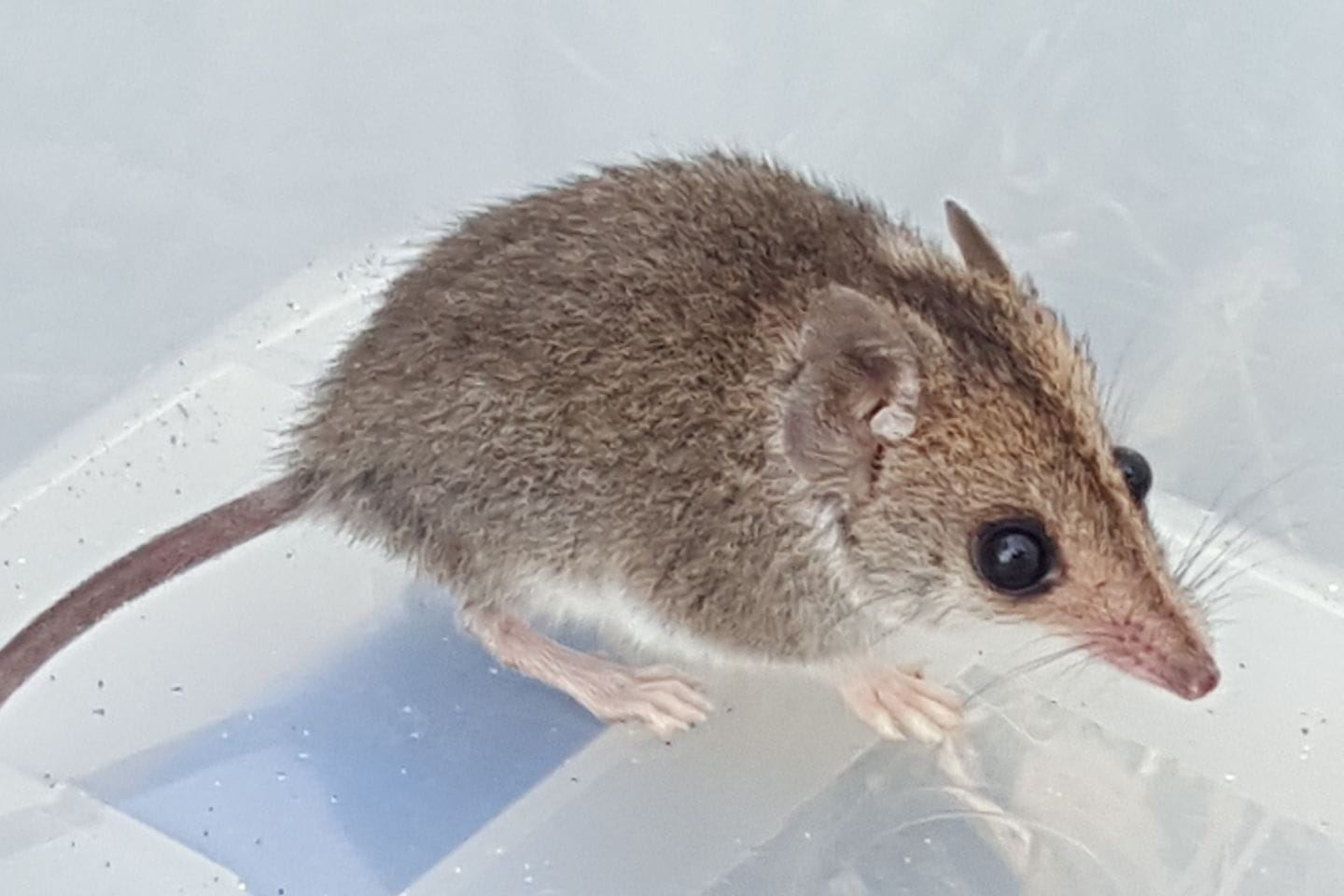
Image: White-footed Dunnarts are nocturnal carnivores, seeking out insects, spiders and other invertebrates for food. Credit: Naomi Davis.
Data gathered from Parks Victoria’s long-running Signs of Healthy Parks monitoring program showed an alarming decline in White-footed Dunnarts on the peninsula between 2012 and 2019.
In the early years of the program White-footed Dunnarts were found at around 10 per cent of survey sites. However, in 2019, White-footed Dunnarts were only detected at 1 per cent of survey sites across the Mornington Peninsula.
Parks Victoria Conservation Scientist Dr Naomi Davis said such a steep decline was concerning, and attention turned to increased monitoring, predator control and habitat restoration.
'The Signs of Healthy Parks small mammal monitoring program on the Mornington Peninsula is one of the best examples we have of a long-running, in-house monitoring program for both conservation assets and the threats they face,' Naomi said.
'We'd seen, over the course of a few years, a steep decline in White-footed Dunnarts during that program, so we wanted to set up some more targeted monitoring for this species.
'This requires support to ensure adequate resources are committed as it involves a lot of work, from planning and field work, through to data collation and reporting.'
Parks Victoria Ranger Kim Cott said the additional monitoring occurred in partnership with the Bunurong Land Council Aboriginal Corporation.
'We've got a great relationship with Bunurong Land Council's Balirt Biik rangers, and when they heard we were wanting to more intensively monitor and protect the Dunnarts, and target feral cats to reduce predation, they sought a grant to come and help,' Kim said.
'They went fifty-fifty on field hours and contributed Reconyx cameras and their own cage traps. It was a really good collaboration.'

Parks Victoria and Balirt Biik rangers teamed up to deploy wildlife cameras and cat traps across the Mornington Peninsula and Point Nepean national parks.

Camera trap sites were baited with balls of peanut butter, honey and oats.
This additional monitoring provided a much clearer picture of where the species persisted, and where introduced predators like feral cats and foxes were causing havoc.
Rangers used the Signs of Healthy Parks camera monitoring data to identify predator hotspots on the peninsula and then targeted control measures, such as cat trapping and fox control, where it showed White-footed Dunnarts were most at risk.
This increased predator control along the narrow strip of coastal parkland has helped remove 22 feral cats (from just 50 nights of trapping), and removed numerous foxes from previously untreated areas.
As a result, there are now encouraging signs the White-footed Dunnart population is beginning to recover thanks to the many years of hard work by local rangers and volunteers, as well as increased rainfall which has helped create the right conditions.
The most recent data shows White-footed Dunnarts have been found at most of the camera sites surveyed, representing a much broader distribution area across the landscape for these little critters.

There are approximately 160 sites that are monitored across the landscape in both national parks.

White-footed Dunnarts have been captured on camera more frequently since the predator control program began.
The benefits of the predator control extend beyond just that of the local White-footed Dunnart population however, with Long-nosed Bandicoots also becoming more prolific across the Mornington Peninsula.
Monitoring of Long-nosed Bandicoots has shown their range has been rapidly expanding over the past few years.
'Over the period from 2019 to this year, Long-nosed Bandicoots have dispersed about 15 kilometres south-east down the coast towards Cape Schanck – it’s pretty exciting,' Kim said.
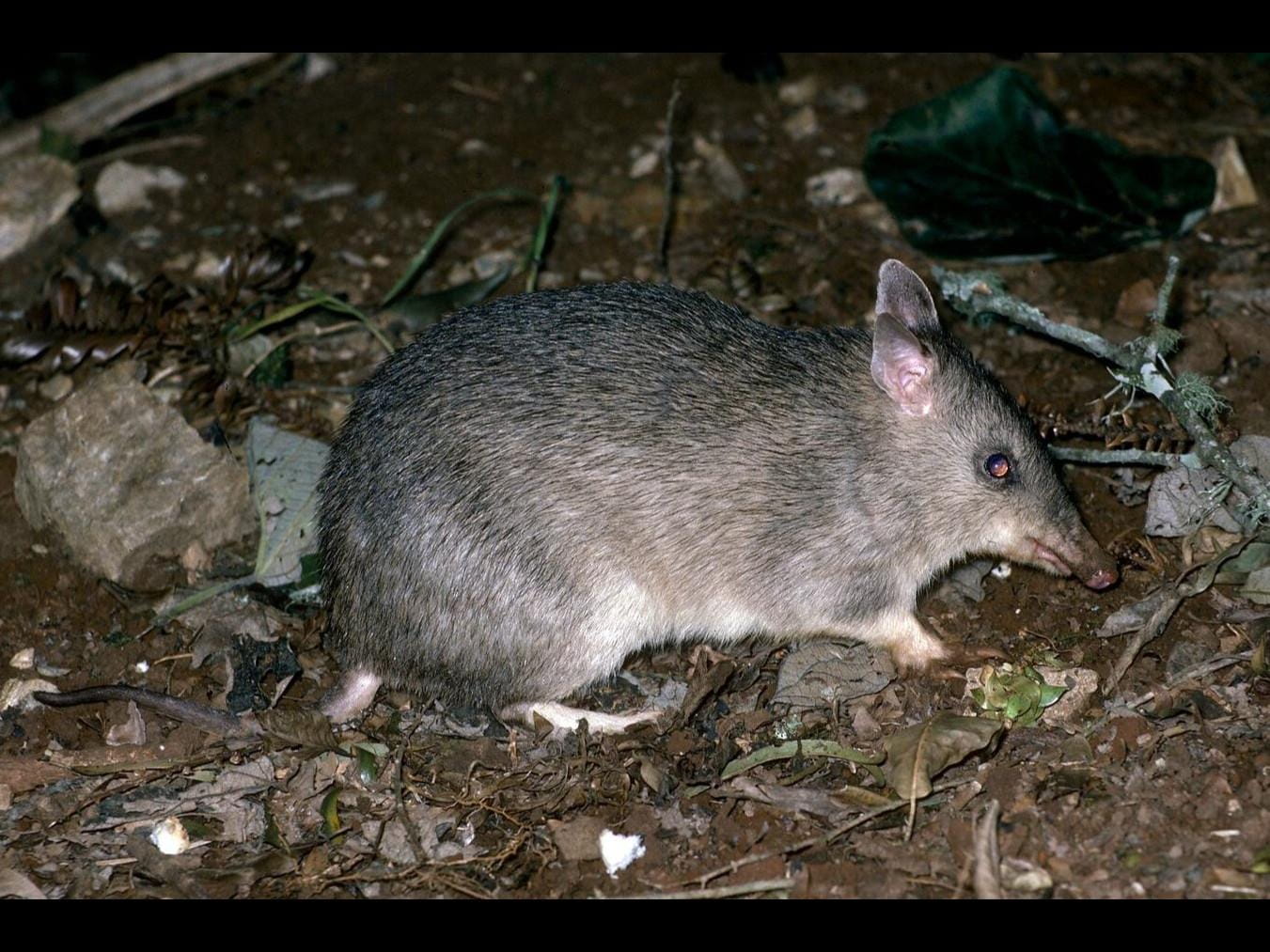
Image: Long-nosed Bandicoots are expanding across the Mornington Peninsula and Point Nepean national parks. Credit: Ian R McCann - Museums Victoria.
'It is incredible given the intense pressure they face - disturbance from millions of park visitors, unauthorised dog walking in the national parks, encroachment of weeds, and predation by foxes and cats.
'Undoubtedly, the cat and the fox work that we've been doing has helped support the bandicoot population.
'We've had members of the public call us up after spotting them in their backyards, saying "there's these weird bilby-things in my backyard and we don't know what they are".
'We'd love it if people could log any sightings of these incredible animals on the iNaturalist app, as these records contribute to our monitoring data,' Kim said.

Long-nosed Bandicoots have been steadily expanding their range along the Mornington Peninsula.

Long-nosed Bandicoots are now even being found in residential backyards.
While the results are encouraging, the work is far from finished.
Necropsies undertaken on several deceased Long-nosed Bandicoots have found they had all been killed by predators, further highlighting the need for ongoing fox and feral cat control to ensure these important native species continue to thrive.
Peninsula residents can further help by ensuring their domestic cats are safely contained to their property at all times, with the Mornington Peninsula Shire having a 24-hour cat curfew in place.
Roaming cats are not only at risk of being hit by cars or injured in fights, but they can transmit infectious diseases, including toxoplasmosis caused by the common Toxoplasma gondii parasite. This parasite is transmitted to wildlife (and humans) through cat faeces and proves fatal for many small mammals
With sustained predator control and ongoing monitoring programs that guide decision making, there is hope that White-footed Dunnarts and Long-nosed Bandicoots will continue their comeback, helping build a brighter future for the Mornington Peninsula’s native wildlife.
Related news

Holey Plains is Country in need of care
In the heart of Gunaikurnai Country in Gippsland sits Holey Plains State Park, an area that protects more than 11,000 hectares of heathy woodlands and wetlands. On a hot windy day in January 2019, a fire ripped through Holey Plains. It was a catastrophic event with a post-fire assessment revealing severe impacts for the ecosystems and wildlife.

Opening the floodgates on shorebird habitat recovery at Avalon Coastal Reserve
The low-lying Avalon Coastal Reserve on the shores of Port Phillip Bay may not be at the top of many people’s must-visit lists, however following recent works, Parks Victoria is hoping to attract flocks of very picky visitors to the reserve - thousands of migratory shorebirds.

New and expanded parks to protect nature, cultural heritage and outdoor experiences
Several new and expanded parks and reserves across Victoria’s central west and Mirboo North are entering a new chapter, helping protect some of the state's most significant natural and cultural landscapes while ensuring people can continue to enjoy the outdoors for generations to come.