
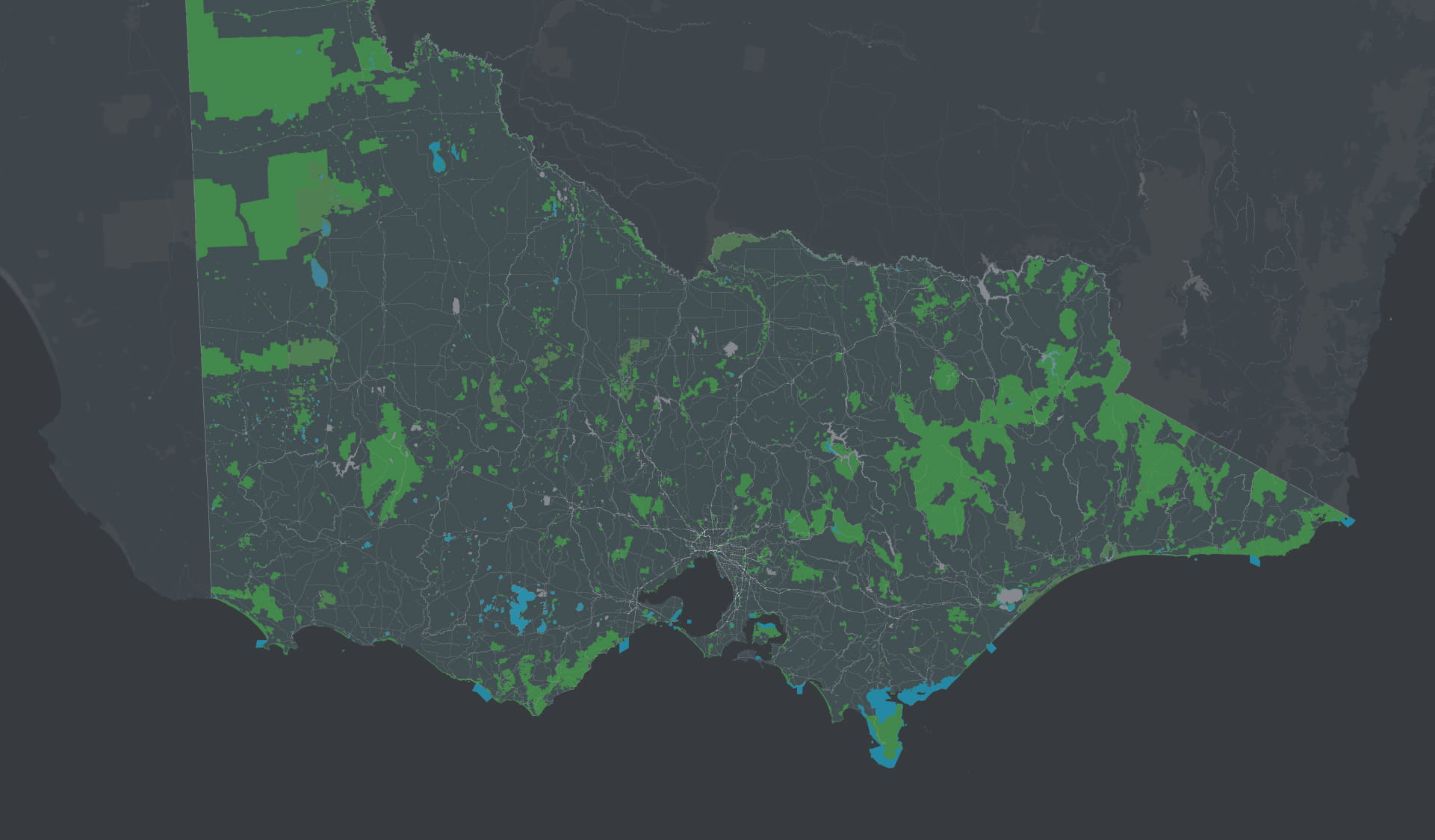
Glenelg River Estuary Day Visitor Area (Glenelg River Heritage River, Discovery Bay Coastal Park)

Explore

Glenelg River Estuary Day Visitor Area (Glenelg River Heritage River, Discovery Bay Coastal Park)

How to get there

Glenelg River Estuary Day Visitor Area (Glenelg River Heritage River, Discovery Bay Coastal Park)

Need to know

Glenelg River Estuary Day Visitor Area (Glenelg River Heritage River, Discovery Bay Coastal Park)

Warnings & Restrictions

Dogs

Dogs are not allowed

Restrictions

  • No generators
  • Boating zones apply
  • No firearms allowed
  • No dogs allowed
  • No drones without a permit
  • No fires permitted
  • No horses
  • No camping

Warnings

  • Other warnings
    • Unpatrolled area
    • Vehicles
  • Water hazards
    • Flash flooding
    • Strong currents
    • Shallow water
    • Rough Surf
    • Deep water
    • Submerged obstacles
  • Terrain hazards
    • Slippery rocks
    • Uneven ground
    • Slippery surface
  • Animals and pests
    • Snakes

Be Prepared

Stay safe and get the most out of your park visit by preparing for natural hazards and other outdoor risks in Victoria’s parks. You are responsible for your own safety and the safety of those in your care. Find out more.

Change of Conditions

Nature being nature, sometimes conditions can change at short notice. It’s a good idea to check this page ahead of your visit for any updates.

Glenelg River estuary blocked causing some water based assets (Jetties and Landings) to become submerged

Currently the river mouth and estuary of the Glenelg River is closed by a sand bank due to natural processes.
This is causing the water level of the Glenelg River to rise and in doing so is beginning to inundate some of the Jetties, Landings and Boat Ramps that are attached to campsites and visitor nodes to become submerged.
 
This is affecting sites located in the Lower Glenelg National Park and some assets around the river mouth/estuary area of Discovery Bay Coastal Park.
 
Park users need to be aware that some water-based assets may be underwater, or may become underwater with passing boat wash, and that extra care needs to be taken whilst using them as they may become slippery.
 
Campsites are not currently affected, only the waterway assets such as the jetties, landings, and boat ramps.

Notification of Marine Algal Bloom

Algal blooms often occur naturally in the waters of Southwest Victoria and are typically of low risk to people, pets and wildlife.
 
Sometimes mistaken as oil or sewage, they can make the water look dark, discoloured or dirty; especially in shallow areas near the shore. You may also notice patches of stained sand where algae can wash up.
The most common species seen along this coastline is Noctiluca scintillans, although many types of algae can form blooms. While most blooms are harmless to people, some may cause skin irritation and illness, so it’s important to take care.
To keep yourself and your pets safe:
 
·         Avoid touching water or sand that you think may be affected by an algal bloom.
·         Avoid eating fish, shellfish, mussels or crayfish caught in areas where a bloom is present.
·         Direct contact can occasionally cause rashes, itchiness, sore ears or nose, or stomach upset if swallowed.
·         If you do come into contact with affected water, rinse skin, hair, clothing and wetsuits with clean water.
·         Seek medical or veterinary advice if you have any health concerns.

X
By using our site you accept that we use and share cookies and similar technologies with certain approved third parties. These tools enable us to improve your website experience and to provide content and ads tailored to your interests. By continuing to use our site you consent to this. Please see our Privacy Policy for more information.
Confirm