

Volunteer surveys show bird diversity soaring again after Gariwerd fires
Tuesday 19 May, 2026
It’s been a season to crow about, with volunteers flocking to Grampians (Gariwerd) National Park over the past few weeks to participate in the biggest Great Gariwerd Bird Survey in years.
For the past six years, dozens of volunteers have been quietly building a valuable long-term bird monitoring dataset for Grampians (Gariwerd) National Park.
The Great Gariwerd Bird Survey is a volunteer-powered program that conducts bird surveys at 36 locations across the Grampians twice a year – once in autumn, and once in spring.
Volunteers involved in the program range from experienced birdwatchers to complete beginners learning bird calls and monitoring techniques for the first time.
New volunteers participate in a 40-hour course taught by ecologist Dr Greg Kerr from Nature Glenelg Trust to be properly trained in bird identification, ecology and monitoring skills, before heading out for their first survey to monitor the pre-determined sites across the national park.

New volunteers undertake a bird identifcation course hosted by Dr Greg Kerr from Nature Glenelg Trust

Once the course is complete, volunteers are ready for their first survey
This season’s survey saw 48 volunteers (the most in the program’s history) complete 136 surveys, spending a whopping total of 652 hours listening and watching for birds across the Grampians.
In total, 58 different bird species were recorded during the most recent surveys.
The most commonly recorded birds this season were the White-throated Treecreeper, Spotted Pardalote, White-eared Honeyeater, Yellow-faced Honeyeater and Grey Fantail.

White-throated Treecreeper
Credit: David Paul - Museums Victoria

Spotted Pardalote
Credit: Paddy Naughtin

Grey Fantail
Credit: Paddy Naughtin

White-eared Honeyeater
Credit: Paddy Naughtin
Among the most curious observations were the first autumn records in the program’s history of both the Shining Bronze-Cuckoo and Pallid Cuckoo - unusual sightings due to the birds’ normal migration patterns.
Volunteers also recorded the program’s second-ever Rose Robin observation, the return of the Black-chinned Honeyeater for the first time since 2022, and a flock of more than 100 Striated Pardalotes.
The 58 different recorded species represented a large increase from the previous autumn, when just 47 species were recorded in the months after the devastating 2024-25 summer bushfires which burnt nearly 80 per cent of the national park.
Prior to the fires, 66 species had been recorded in autumn 2024.
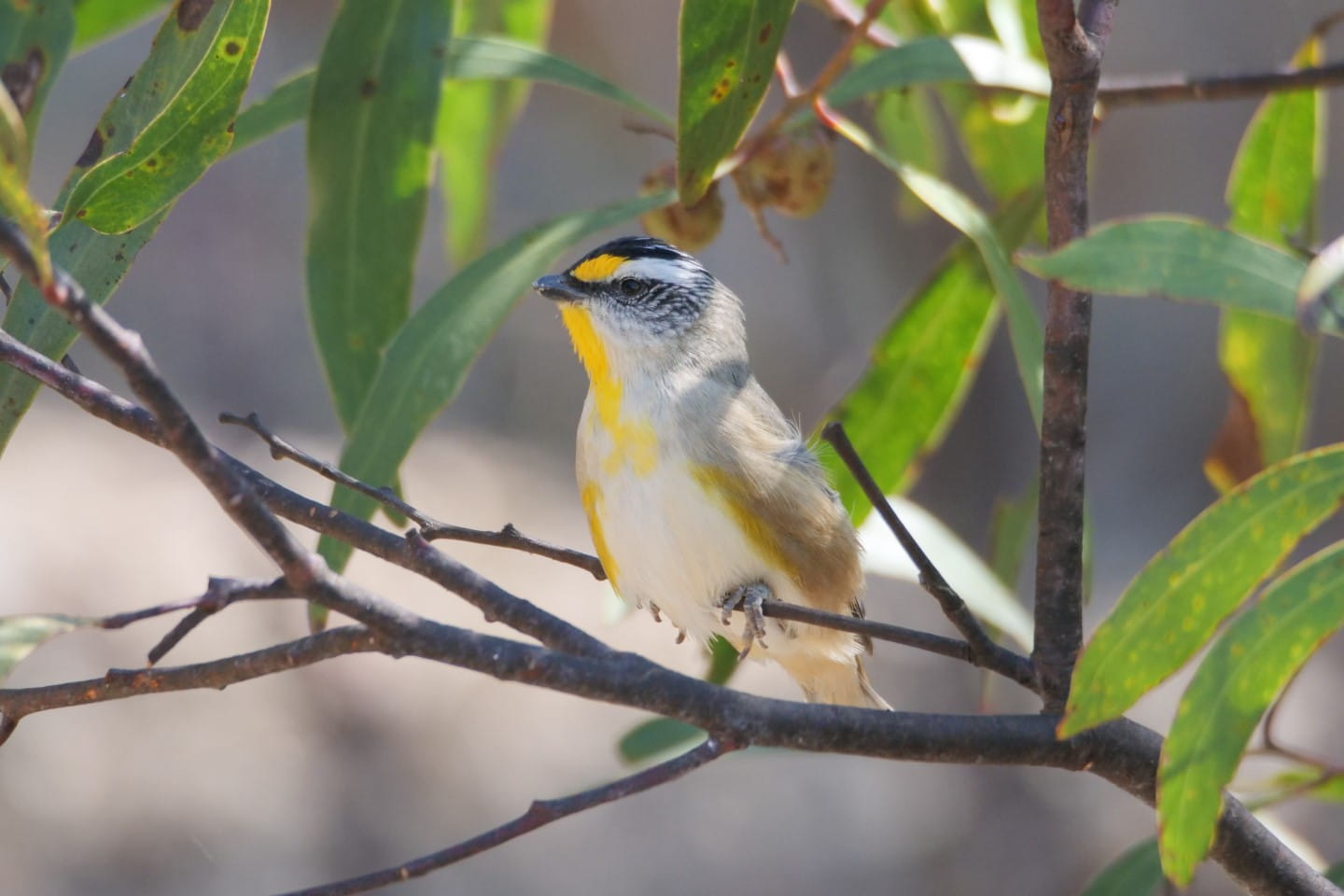
Photo: A flock of more than 100 Striated Pardalotes were seen on one of the surveys. Credit: Paddy Naughtin

One of the Great Gariwerd Bird Survey’s regular volunteers, Shelly Burrowes, said she was “devastated” when the bushfires burnt through the park.
“It’s still a very alien landscape. The groundcover has come back, but the tree canopy still isn’t anywhere near what it was, so it’s still very foreign looking, but it’s getting there, it’s bouncing back,” Shelly said.

Nature has been bouncing back following the 2024-25 summer bushfires which swept across the Grampians (Gariwerd) National Park

Great Gariwerd Bird Survey volunteers spend 20 minutes monitoring a two-hectare plot, counting all the birds they can see and hear in that area
Shelly’s standout memory from her time volunteering with the program was coming across her first Southern-Emu Wren - a species which hasn’t been recorded in the volunteer surveys since the bushfires.
“I’ve learnt so much just from participating in the surveys. Now I can identify birds I’d never seen before just by listening – it’s been fascinating.”
Importantly, the surveys are not just helping scientists and land managers understand post-fire recovery better - they are also helping people connect with nature.
“It’s just a nice weekend getting out and going for a walk in the bush. During the spring surveys I have to be careful not to get too distracted by the wildflowers,” Shelly said.
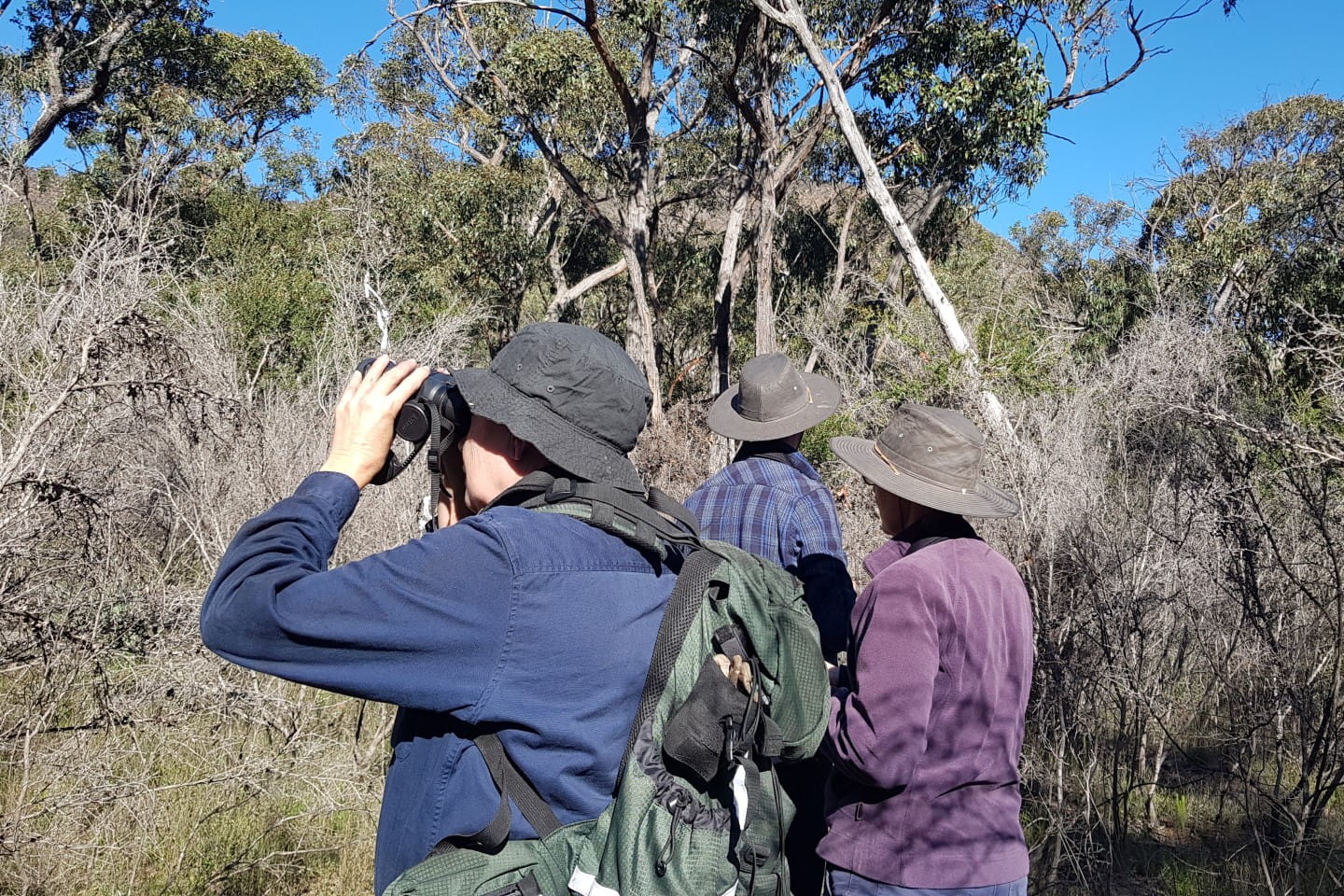
Photo: Volunteers participating in the Great Gariwerd Bird Survey last month.
John King, another of the Great Gariwerd Bird Survey volunteers, also has fond memories of the wildflowers in bloom.
“A moment that stood out for me, was out on one of the survey sites with my wife, and while we’d found a terrific amount of wildflowers, we’d only recorded two species of birds, and our time was nearly up,” John said.
“We were about ready to head back to the car, when, all of a sudden, a wave of different birds came through. We ended up finishing with 26 different species, including some very unusual ones.”
“It was just a magic moment.”
Long-term citizen science programs like the Great Gariwerd Bird Survey play a vital role in understanding how ecosystems respond to major events like bushfires and climate pressures.
Every survey adds another piece to the puzzle of how wildlife recovers over time.
For many volunteers, however, the greatest reward is simpler - spending time in nature, meeting like-minded people and knowing they are making a meaningful contribution to the future of the park.
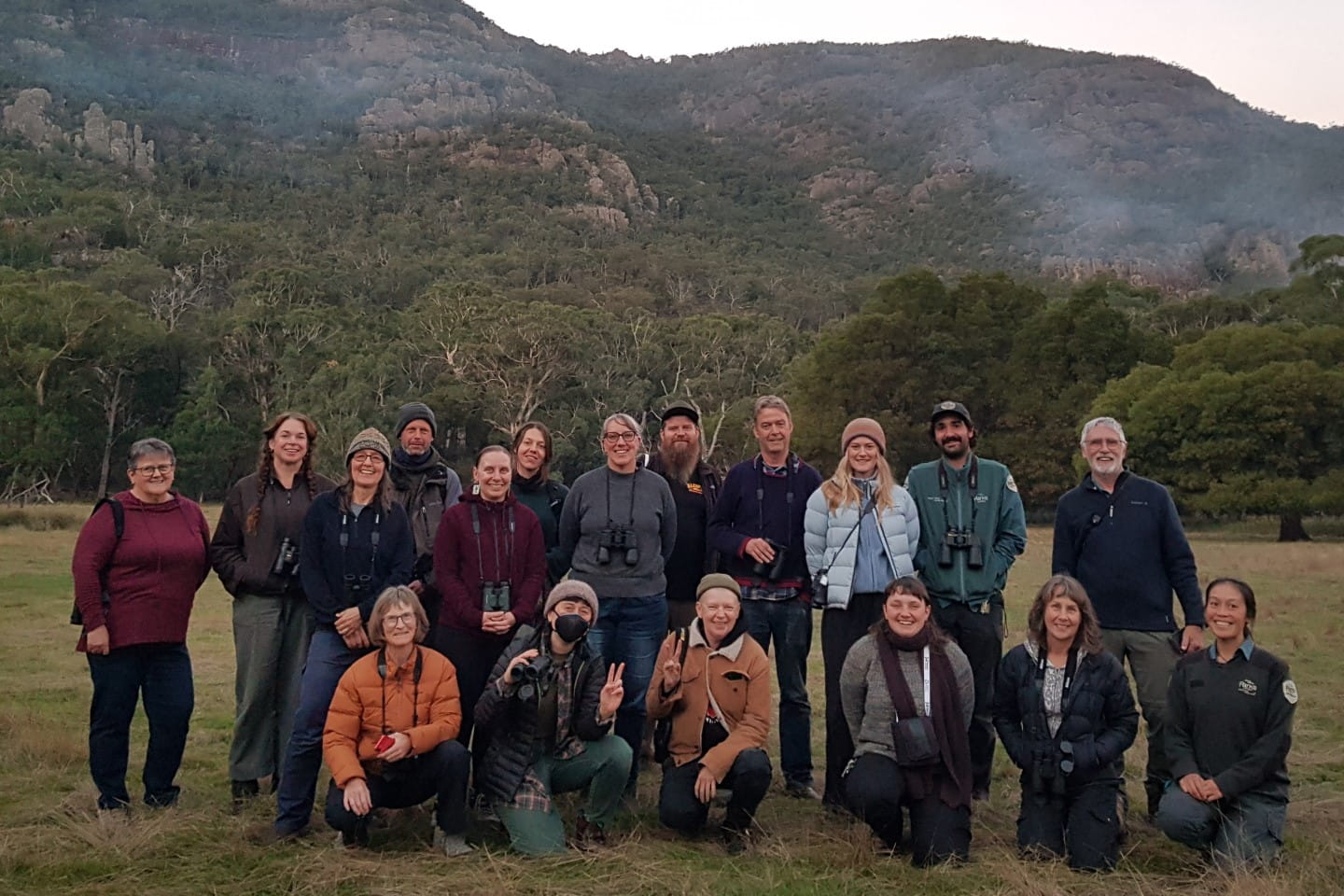
Photo: 48 volunteers participated in the 2026 Autumn Great Gariwerd Bird Survey.
“When it comes to volunteering, I retired many years ago and have since joined a number of different groups. I probably do more work now than when I was earning a salary,” John said.
“But I’ve found many people are quite happy to give freely of their time, and to participate in something like this and be able to get personal satisfaction from it is really important.”
The next Great Gariwerd Bird Survey will occur in spring 2026.
Volunteering in nature
This week is National Volunteer Week (18-24 May 2026). Being a volunteer in our parks is a great way to help conserve the beauty of Victoria’s landscape – while also learning more about plants and wildlife, gaining new skills, spending time in the outdoors, improving your health and wellbeing, and meeting new friends.
Click here to find out how you can volunteer in a park near you or subscribe to our newsletter to receive the latest volunteering opportunities and updates straight to your inbox.
Related news

A future taking shape in the (artificial) hollows
In the semi-arid woodlands of Wyperfeld National Park, recovery is already emerging after the January 2026 fires - driven by a steady and practical effort to help nature rebound, including targeted support for the threatened Pink Cockatoo.

Big conservation wins for Victoria's small frogs
From tiny toadlets hidden beneath leaf litter to rare tree frogs making a comeback in East Gippsland, conservation efforts across Victoria are delivering encouraging results for some of the state’s most threated amphibians.

Celebrating World Female Ranger Week 2026
To celebrate World Female Ranger Week, we are taking a moment to spotlight some of the incredible women who work on the ground protecting Victoria's natural environment.