

Explore
Discovery Bay Coastal Park
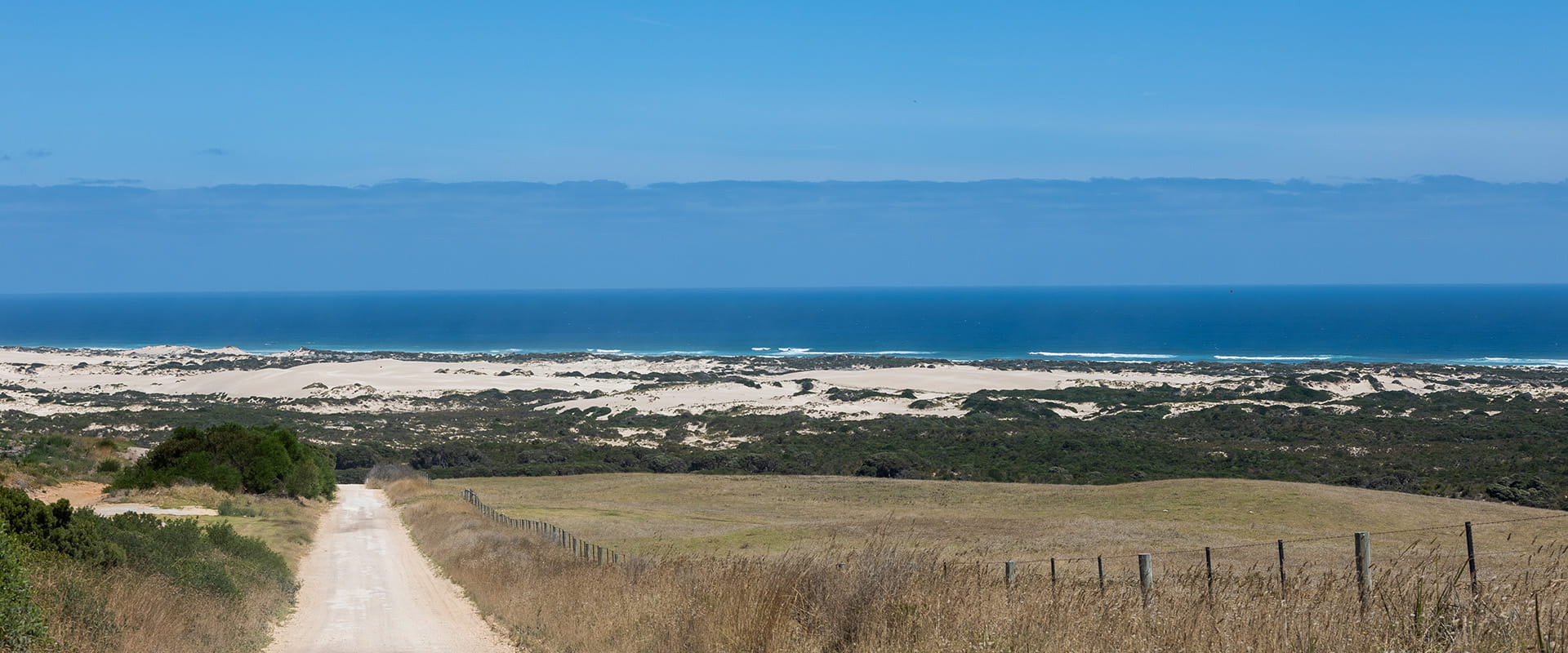
Discovery Bay offers a range of coastal environments with spectacular scenic values, including rugged cliffs, extensive beaches, mobile dune fields, wetlands and woodland forest communities. Victoria's highest coastal cliffs and the Cape Nelson lighthouse are located at the eastern end of Discovery Bay. The Cape Bridgewater fur seal colony is also a significant feature of the Park. A significant dune system extends from Nelson to Whites Beach limiting vehicle access to a few locations.
Things to do in the area
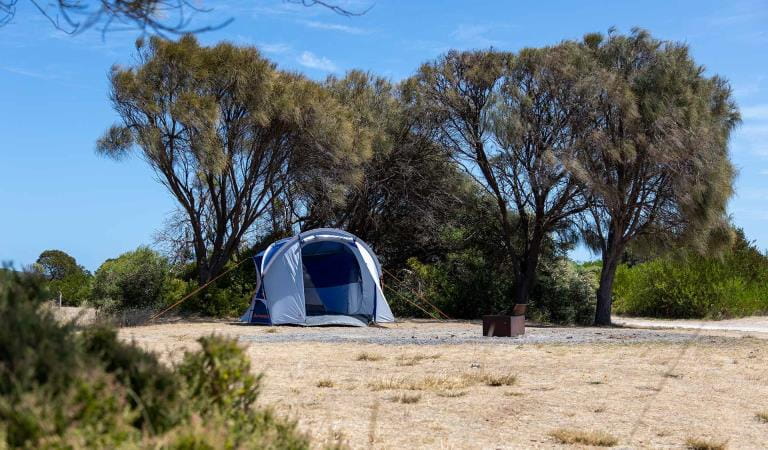
Lake Mombeong Campground
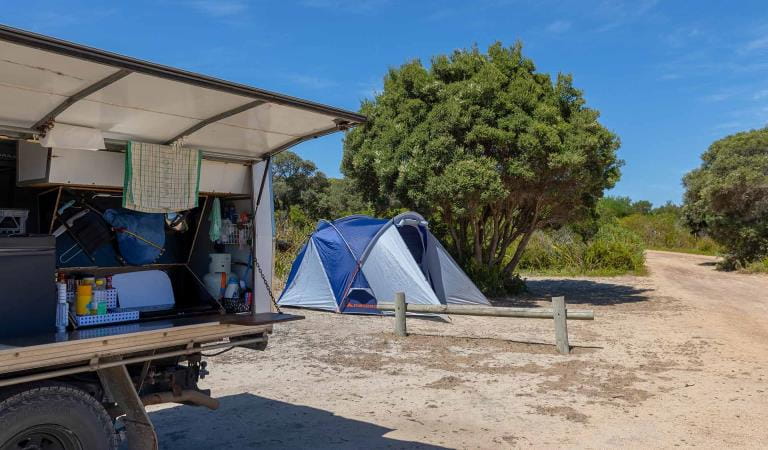
Swan Lake Campground
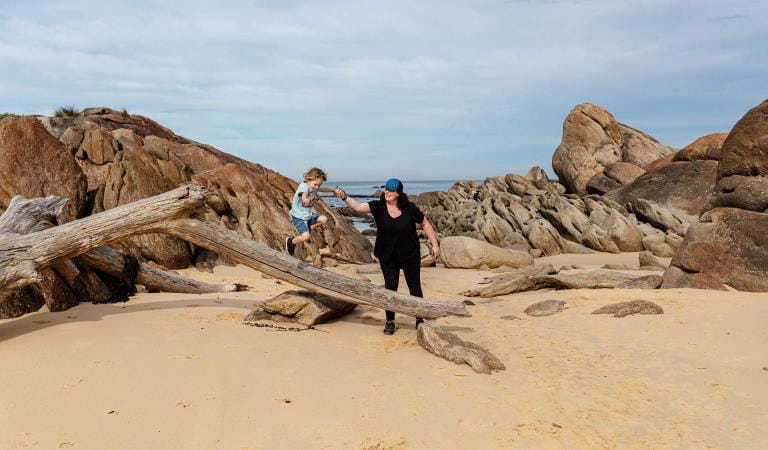
Beaches
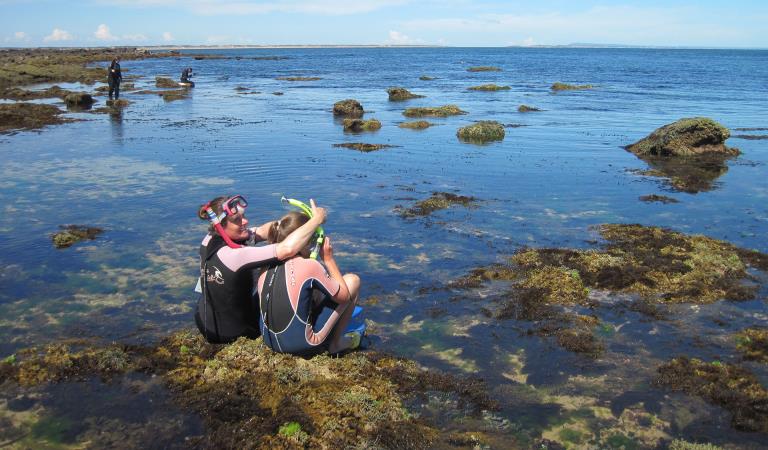
Discover an underwater world
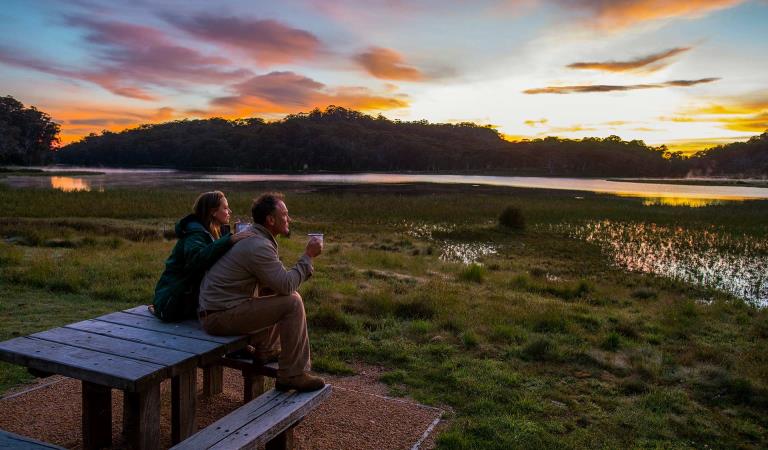
Sunrises and sunsets
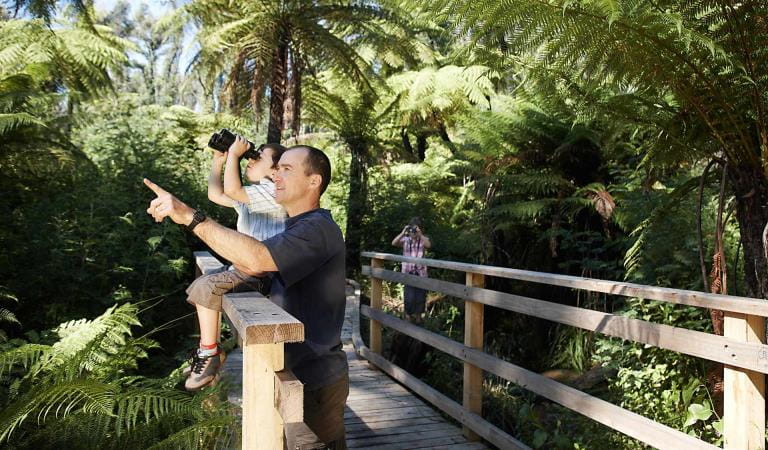
Bird watching
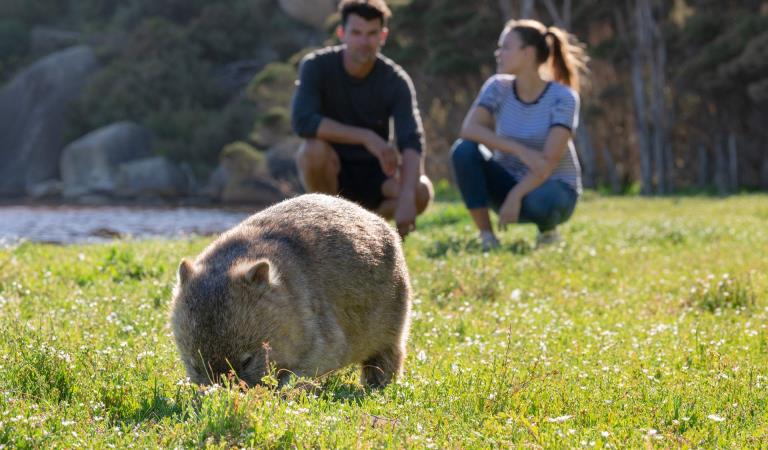
Wildlife viewing
Wildlife and Nature
This area is well known for its wildlife. Keep an eye out for:
Tours and adventure experiences in parks
One of the best ways you can get into nature is with a Licensed Tour Operator.
There are more than 400 Licensed Tour Operators across Victoria who are ready and waiting to help you experience and connect with Victoria’s spectacular parks and waterways.
Discover more than 60 different types of nature-based experiences including hiking, mountain biking, boating, four-wheel driving, indigenous culture tours, birdwatching, surfing, diving and so much more.
Licensed Tour Operators know all the best places to go and will plan and prepare your visit to ensure you are safe and can enjoy your nature-based adventure to the fullest.
How to get there
Discovery Bay Coastal Park
When you're there
Need to know
Discovery Bay Coastal Park
Accessibility
Visiting a park can be more of a challenge for people with disabilities, however in Victoria there are a wide range of facilities to help people of all abilities enjoy our wonderful parks around the state.
Assistance dogs are welcome in Parks Victoria parks and reserves. Entry requirements apply for parks and reserves that are usually dog prohibited, such as national parks.
Safety
Rock fishing is a great way to enjoy the great outdoors, but it’s also risky. See our water safety page and follow safety precautions around water to make sure your visit is safe and enjoyable.
To keep yourself and your pets safe:
- Avoid touching water or sand that you think may be affected by an algal bloom.
- Avoid eating fish, shellfish, mussels or crayfish caught in areas where a bloom is present.
- Direct contact can occasionally cause rashes, itchiness, sore ears or nose, or stomach upset if swallowed.
- If you do come into contact with affected water, rinse skin, hair, clothing and wetsuits with clean water.
- Seek medical or veterinary advice if you have any health concerns.